 Nozawa Onsen
Locals call these village baths soto-yu (外湯), "outside baths", as opposed to the bath inside your hotel. They are small wooden bathhouses dotted through the streets, fed straight from the hot springs, and free for everyone.
Is Nozawa Onsen tattoo friendly? Yes.
Many onsen in Japan still turn away people with tattoos. Nozawa's public baths don't. Come as you are, no cover-up stickers needed. (Baths inside hotels and ryokan set their own rules, so if you want to use your lodge's bath too, just ask them.)
"Won't the locals mind a foreigner?"
Short answer: no. Yes, most people in the bath will be Japanese, often older locals who come every day. But Nozawa has been welcoming skiers from overseas for decades, and the regulars are completely used to it. Nobody is going to stare. Say hello as you come in, follow the few basics below, and you'll get a nod back, sometimes even a chat about the snow.
Yes, you're naked
There are no swimsuits in a Japanese onsen. Men and women bathe separately. Look for 男 (men) and 女 (women) on the curtain or door. It feels strange for about a minute, and then you realise nobody is looking at anybody. Everyone is just there for the hot water.
Bring a small towel. You can use it to cover up as you walk around, but keep it out of the bath water. People usually fold it and leave it on the edge, or on their head.
How to onsen, step by step
- Say hello. "Konnichiwa" during the day, "konbanwa" in the evening.
- Shoes off. Take them off at the entrance and put them on the shelf under the clothes lockers.
- Undress. Everything goes in a locker basket. There are no locks, so leave valuables at your lodge.
- Rinse first (kakeyu). Before you get in, scoop hot water from the bath and pour it over yourself. Do it crouching or sitting on the floor, not standing up. Standing and pouring splashes everyone else.
- Get in slowly. The water is often very hot. Ease in and give your body a moment. If it's too hot and you'd like to add cold water, ask the people in the bath first.
- Dry off before you step out. When you're done, wipe yourself down before stepping onto the wooden slats (すのこ) of the changing area, so the floor stays dry.
Soap and shampoo
Most of the public baths are just the bath itself: no showers, no soap. If your hotel or lodge lends out a little bath set (soap, shampoo, towel), borrow it and bring it along. If not, don't worry: the rinse before you get in is what matters.
Nozawa onsen with kids
Kids are welcome. Local families bring their children every evening, and a soak is a great way to warm small skiers up after a day in the snow. A few things make it easier:
- The water is hot. Nozawa's springs come out of the ground very hot, and some baths run well over 42°C. Let children test it with a hand first, and keep the first soak to a couple of minutes.
- Pick a calm time. Late afternoon, before the after-ski rush, is quieter. You'll have more space and less pressure.
- No swimming or splashing. Explain before you go in that it's a quiet place, a bit like a library with hot water.
- Boys and girls go with the parent of their gender; small children going in with either parent is normal.
- Bring water to drink and a warm hat for the walk home.
Why you shouldn't skip it
Public bath culture like this is rare even in Japan. In most towns the old shared baths are long gone; in Nozawa thirteen of them are still in daily use, each with its own building, water and regulars. Soaking in one after a day on the mountain, with snow outside, steam inside and a local nodding hello, is the thing people remember most about Nozawa. There's no reason not to.
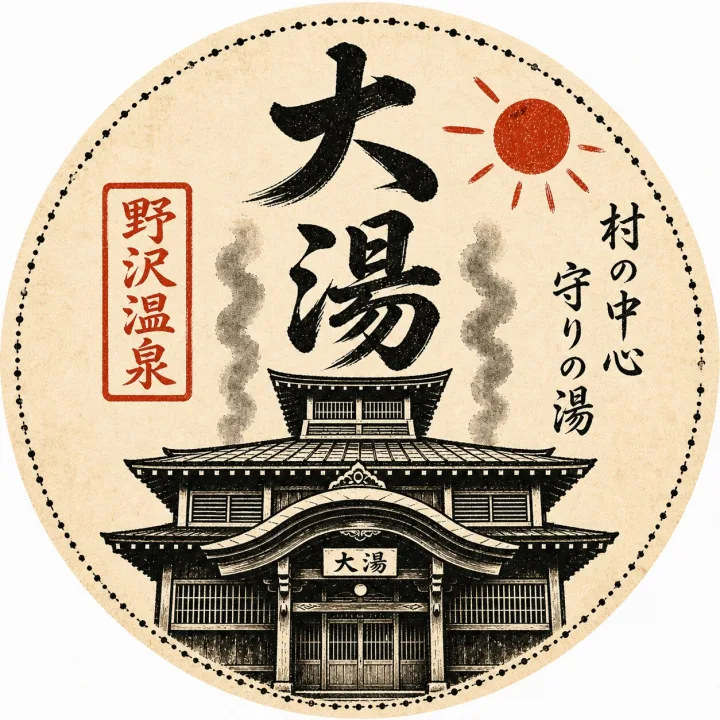 Ō-yu
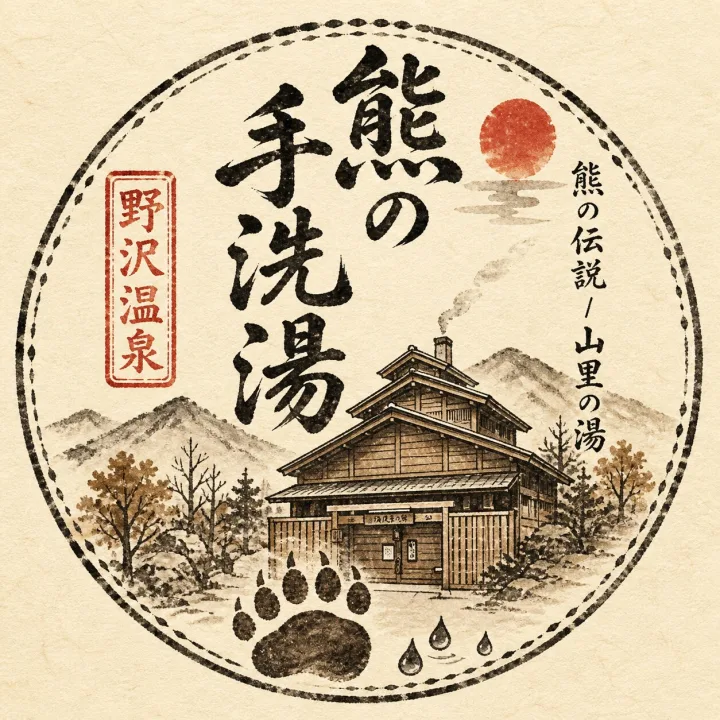 Kuma-no-Tearai-yu
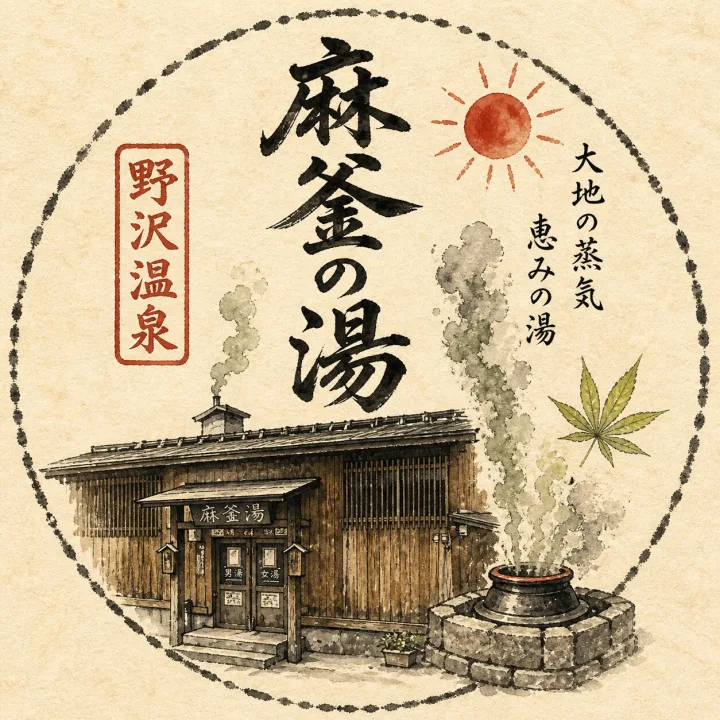 Ogama-yu
A good first one is Ō-yu, the grand wooden bathhouse in the middle of the village. The baths are open early morning to late evening (about 6:00–23:00 in winter). The app shows all thirteen on a map and lets you collect a stamp for each one you visit.
Quick questions
Is Nozawa Onsen tattoo friendly?
Yes, all thirteen free public onsen. Hotel baths have their own rules, so ask your lodge.
Can I take photos inside?
No. People are naked, so never take photos in the changing room or bath.
What if I don't speak any Japanese?
"Konnichiwa" and a smile is plenty. If you're unsure about something, watch what the locals do, or just ask.
Do I need cash?
Entry is free, but bring a few coins for the donation box.